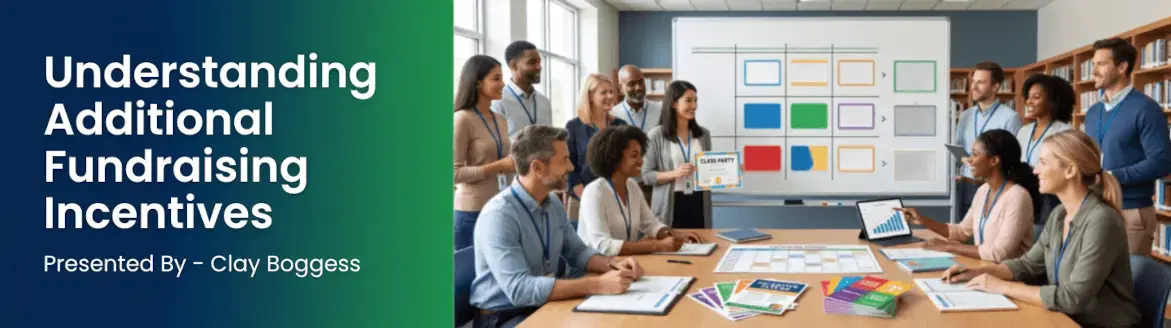
A single top-seller prize can create excitement, but it usually speaks most strongly to students who already believe they can win. A layered plan gives new participants an early reason to start, active sellers a reason to continue, and the whole school a shared target. It can also rely more on privileges and experiences than purchased merchandise.
Big Fundraising Ideas has helped schools and organizations plan school fundraisers since 1999. This guide explains how to select, budget for, promote, and review an incentive plan without letting prizes overshadow the campaign's purpose.
Quick Incentive Plan by Campaign Goal
Choose each reward for a specific behavior or campaign problem. If participation is low, a winner-only prize is unlikely to solve it. If students lose interest after the first week, a midpoint game may be more useful than another prize announced at the end.
Do not add a reward simply because it sounds exciting. Each incentive should have a clear audience, eligibility rule, promotion plan, cost, and connection to the campaign goal.
Why a Layered Incentive Plan Works Better Than One Big Prize
- Participation rewards create the first step: a sticker, certificate, privilege, or public thank-you can acknowledge students who register or make an approved first effort.
- Milestone tiers create attainable progress: a few clear levels are easier to remember than a long prize chart with small differences between rewards.
- Short games renew attention: a prize drawing, mystery reward, or classroom challenge can support the middle of the campaign when announcements begin to sound repetitive.
- Group rewards encourage cooperation: class and school-wide goals let students contribute to a result that does not depend on one person finishing first.
- A top award adds visibility: a larger prize can still be part of the plan when its rules are clear, and it does not become the only form of recognition.
Best Low-Cost and Experience-Based Incentives
- School privileges: consider line leader, morning announcement helper, lunch with a teacher, music during classwork, free dress day, or choosing a classroom activity where policy allows.
- Staff participation: pie the principal, silly string the staff, a teacher costume, or a friendly staff challenge can make a school-wide milestone visible and fun.
- Classroom experiences: such as extra recess, a game block, a read-in, an art session, a movie period, or a class celebration can reward teamwork without singling out one student.
- Recognition: certificates, thank-you boards, classroom trophies, and announcements can acknowledge effort, but public names and photos should follow school consent rules.
The list of 101 low and no-cost incentive ideas organizes options by age and campaign stage. Schools can also review Big Event Prize Programs for a company-supported group experience.
How to Promote Incentives Throughout the Campaign
- Reveal rewards at the kickoff: show the prize or experience, connect it to the fundraising purpose, and explain the first attainable action students can take.
- Display progress visually: use a fundraising thermometer, classroom tracker, or approved online update without exposing private student sales data.
- Create a midpoint moment: announce progress, recognize early participation, repeat the deadline, and introduce a short game or drawing if energy is falling.
- Send families written rules that include: eligibility, deadlines, prize levels, tie procedures, substitutions, pickup details, and a contact for questions.
How to Set Fair Prize Rules Without Reducing Motivation
- Publish rules before selling begins: do not change thresholds, drawing entries, deadlines, or prize values after students have started working toward them.
- Use several achievement types: recognize participation, personal milestones, classroom progress, school-wide results, and top effort rather than ranking every student by money alone.
- Make drawings understandable: explain how entries are earned, who is eligible, when the drawing occurs, how winners are selected, and what happens if a winner is absent.
- Plan accessible substitutes: consider allergies, disabilities, religious concerns, transportation, family permission, and schedule conflicts when rewards involve food or activities.
Frequently Asked Questions
What are good incentives for a school fundraiser?
Good incentives are age-appropriate, easy to explain, tied to a specific goal, and affordable given the campaign’s expected profit. Strong options include school privileges, classroom experiences, group celebrations, short drawings, milestone prizes, recognition, and one carefully selected top award.
Do prizes increase school fundraising participation?
Prizes can give students a clear reason to begin and another reason to continue, but the result depends on promotion, attainability, timing, and audience fit. A confusing or unrealistic prize plan may receive little attention. Track participation and additional sales so the school can judge whether the reward was worth the cost.
How much should a school spend on fundraising incentives?
Set a budget from expected net profit, not total sales. Divide the reward cost by the profit kept from one additional item or order to find the break-even point. Include decorations, food, transportation, staff coverage, and replacement prizes when calculating the full cost.
What are free fundraiser incentive ideas?
Examples include line leader, announcement helper, class music choice, free dress day, extra recess, a teacher costume, a classroom game, a traveling trophy, or a recognition certificate. Approval and accessibility matter even when the reward has no purchase price.
Are individual or group fundraising rewards better?
They serve different purposes. Individual milestones can encourage personal progress, while class and school-wide rewards build cooperation and give more students a reason to care. Many campaigns work better with both rather than forcing students to choose between competition and teamwork.
How many fundraising prize tiers should we use?
Use only as many levels as students and parents can easily remember. A participation level, one or two attainable milestones, a group goal, and a top award are often enough. Review the school fundraising incentive program guide before creating a longer structure.
How should schools promote fundraiser prizes?
Introduce them during the kickoff, show the reward when practical, send the written rules home, display campaign progress, mention the next milestone during announcements, and recognize winners after the campaign. The school fundraising promotion guide offers a full campaign communication framework.
How can fundraising incentives stay fair?
Keep participation voluntary, publish the rules before launch, avoid public shaming, offer several forms of recognition, and provide reasonable substitutes when a student cannot take part in a food or activity reward. The ethical school fundraising guide explains the wider fairness and privacy considerations.
When should a school announce incentive winners?
State the announcement date in advance and verify sales, payments, returns, and eligibility first. Announce promptly enough that students still connect the reward with the campaign. Protect student privacy and obtain any permission required before sharing names or photos publicly.
Can we combine a company prize program with school rewards?
Yes. A company prize program can cover product-based tiers or a group experience. At the same time, the school adds a kickoff reward, a midpoint drawing, a classroom privilege, or a school-wide milestone. Check the total budget and keep all rules in one parent-facing document. Schools can explore fundraiser prize resources or contact Big Fundraising Ideas for help building the plan.
Author Bio
Clay Boggess has been designing fundraising programs for schools and various nonprofit organizations throughout the US since 1999. He’s helped administrators, teachers, and outside support entities such as PTAs and PTOs raise millions of dollars. Clay is an owner and partner at Big Fundraising Ideas.

Categories
Related Articles

Holiday Beef Stick Fundraiser…
How to run a holiday beef stick fundraiser: cover ordering and delivery timing, the 15-day invoice rule, and tips to avoid leftovers.
How Much Can a School Make…
Learn how much you can make from an Otis Spunkmeyer fundraiser; see the profit formula, a worked example, and what affects your total.

Mother's Day and Father…
Mother's Day and Father's Day fundraiser ideas for schools: what to sell, how to price gifts kids can afford, and when to start.