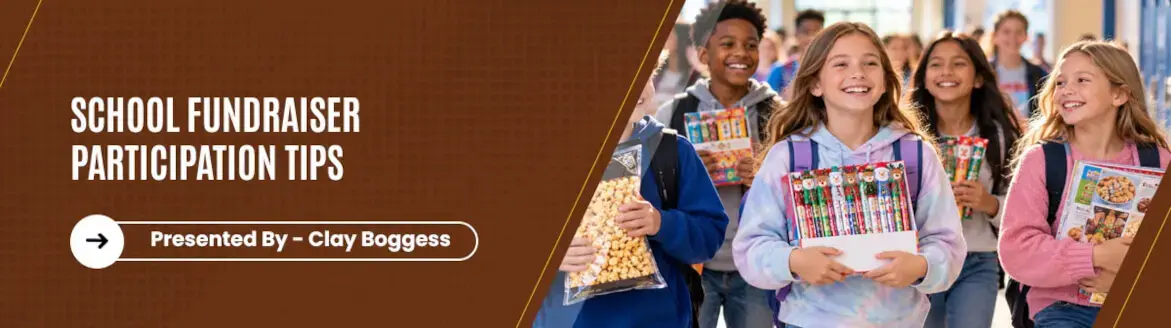
How to Raise More by Getting More Students to Sell
Good fundraiser incentives help drive sales. And if you can get more students to participate, sales will increase. So, finding new ways to boost student participation should be a top priority.
In our experience, many schoolwide fundraiser groups average less than 20% student participation. Larger schools that sometimes gross up to $25,000 seem excited about the amount raised. However, they often don't realize how much money they're leaving on the table because 80% or more simply aren't selling. Just think what increasing participation by another 20% would do to their sales.
There are a few reasons for this, one being fundraising burnout. CBS News has reported on parents growing weary of a seemingly endless barrage of appeals from their children's schools, in a story titled "A new problem for cash-strapped schools: Fundraising burnout." Too many groups are running too many sales.
Another reason is seller complacency. People are tired of repeating the same fundraiser and prize program. So what can you do to improve schoolwide fundraiser participation?
What a Higher Participation Rate Is Worth
Suppose a school of 1,000 students has 20% of its students sell and gross $25,000. That is 200 sellers averaging $125 each. Now see what happens if participation climbs:
An illustration for a 1,000-student school, using the $25,000 example on this page. Gross sales, not profit, and results depend on how much new sellers actually sell.
Even in a conservative scenario where new participants sell only half as much as your top earners, doubling your participation from 20% to 40% yields an extra $12,500. That is money your group is not currently collecting.
For related reading, see fundraiser participation versus profit percent and how to improve school fundraiser participation.
Why Participation Stays Low
- Fundraising Burnout: Too many groups run too many sales, so families stop responding. Because quantity has crowded out quality, it leads to burnout.
- Seller Complacency: Students and parents lose interest when the fundraiser and the prizes never change.
- Unreachable Rewards: When a student must sell a great deal before earning anything, they never try.
- No Clear Purpose: Families respond better when they know exactly what the money will buy.
If your fundraisers feel crowded, review how to set realistic fundraiser goals and plan fewer, stronger campaigns.
Give More Students Access to Better Prizes
Here are two possible solutions:
1. Make Prizes Reachable
For years, we've advised groups to shift toward fewer high-quality fundraisers that ultimately raise more money. Stop relying on the cheap "dollar store" toys that students are tired of winning, and replace them with unique, worthwhile prizes. Big Fundraising Ideas offers traditional prize programs for general school fundraisers, plus sportswear and cash prize programs for high school sports teams and boosters.
What matters most is who can win. More students are likely to try when they believe the first prize is easy to obtain. Prize plans that require a lot of selling before a student earns anything can discourage most students from trying. A first level that students can reach by selling just a handful of items makes participation feel possible, and higher levels still reward the strongest sellers.
Parents may also support a prize plan more when the reward is something their child will be excited about and can reasonably reach. A student who wants to earn something is much more likely to ask a parent for help.
- Start the Ladder Low: Let most students earn something in their first few sales.
- Offer Choices: Students are motivated by different things, so give them options.
- Keep It Fresh: Change prizes each year to beat seller complacency.
- Check Your Rules: Some districts limit prizes. See options when a school bans fundraiser prizes.
2. Add No-Cost Incentives
Incorporate privileges instead of prizes that students will want to sell for. Here are some examples of free one-day passes that you can offer to students every time they sell five items:
- Free dress day
- No homework
- 1st in line
- Library card
- Lunch with the principal
You get the idea. The point is that letting more students win gives them a better chance of selling.
See our additional fundraiser incentive ideas.
Create High Seller Enthusiasm
Enthusiasm is contagious, and so is selling. If you can build more excitement for your prize program, you'll increase your chances of getting more students on board. Spread the word by regularly showcasing your prizes during morning announcements or at lunchtime. You don't want your students to forget about your fundraiser once you've kicked it off.
You can also boost seller enthusiasm by offering incentives during your sale, not just at the end. That is where your special privileges come in. When students see their peers win, they get inspired to sell too.
- Show the Prizes Often: Display them at lunch and mention them on morning announcements, with your school's permission.
- Reward During the Sale: Give out privileges as students reach each level, not only at the end.
- Make Winners Visible: When peers see classmates win, more of them want to try.
- Track Progress Together: A shared goal keeps everyone engaged. See why every fundraiser needs a thermometer.
For more ideas, see school fundraiser engagement ideas and how to make every student a top seller.
A Four-Week Schoolwide Participation Plan
To measure and track your own rate, see the school fundraiser participation rate guide.
Make Participation Welcoming
- Keep It Optional: Students should never feel pressured, and families should feel free to decline.
- Offer Roles Beyond Selling: Posters, announcements, and tracking progress let every student contribute. See student participation in school fundraising.
- Add an Online Option: An online store lets relatives order without door-to-door selling.
- Keep Rewards Inclusive: See inclusive fundraising for schools.
These ideas work for elementary schools, middle schools, and high schools.
You have limited time to raise money, so choose changes that bring more students into your fundraiser.
Frequently Asked Questions About School Fundraiser Participation
How do you get more students to participate in a schoolwide fundraiser?
Give more students a realistic chance to win, add no-cost privileges they actually want, and keep excitement high with regular announcements and rewards during the sale, not only at the end. Also protect students from burnout by running fewer, higher-quality fundraisers.
What is a good student participation rate for a fundraiser?
There is no single standard. In our experience, many schoolwide fundraisers see fewer than 20% of students sell, so even a steady increase matters. Track your own rate by dividing the number of students who sell at least one item by the number invited, and aim to improve it each year.
What is fundraising burnout?
Fundraising burnout is the weariness families feel when too many groups ask for money too often. News coverage has described parents growing tired of a steady stream of appeals from their children's schools. It lowers participation because students and parents stop responding.
How can a school avoid fundraising burnout?
Run fewer, higher-quality fundraisers instead of many small ones; spread them across the year; clearly explain what the money will buy; and offer ways to help that don't involve selling. Changing prizes and the format each year also helps prevent seller complacency.
What no-cost incentives can motivate students to sell?
Privileges cost nothing, and many students value them. Examples include a free dress day, a no-homework pass, being first in line, a special library privilege, and lunch with the principal. Offer them at a reachable level, such as every five items sold, and check your school's rules and teachers' agreement first.
Do no-homework passes and free dress days work as incentives?
They can, because students want them and they cost no money. A no-homework pass needs teacher agreement and a clear policy, and a free dress day may not suit a uniform school. Limit how many privileges a student can use in a week so classroom time is protected.
What kind of prize plan gets the most students to participate?
A plan where the first level is easy to reach helps most students believe they can win something. Prize plans that require a lot of selling before students earn anything can discourage them from trying. Big Fundraising Ideas offers traditional prize programs for general school fundraisers and sportswear and cash prize programs for high school sports teams.
How do you keep students excited after the kickoff?
Show off the prizes during morning announcements or at lunch, reward students during the sale instead of only at the end, and share progress so students see their peers winning. A visible tracker and regular new announcements keep the fundraiser from fading.
How much more could a school raise by increasing participation?
It can be substantial. In a school of 1,000 students where 20% sell and the group grosses $25,000, each seller averages $125. If participation rose to 30% and new sellers matched that average, gross sales would reach about $37,500. If new sellers sold half the average, they would reach about $31,250.
How do you include students who cannot or do not want to sell?
Offer roles beyond selling, such as making posters, helping with announcements, or tracking progress, and provide an online store or donation page for families who prefer to give. Keep participation optional and incentives low-pressure so no student feels excluded.
Need more info? Reach out today for a FREE consultation with an expert. Contact Big Fundraising Ideas or call (866) 980-9930, Monday through Friday, 8:00 a.m. to 5:00 p.m. CST.
Author Bio
Clay Boggess has been designing fundraising programs for schools and various nonprofit organizations throughout the US since 1999. He’s helped administrators, teachers, and outside support entities such as PTAs and PTOs raise millions of dollars. Clay is an owner and partner at Big Fundraising Ideas.

Categories
Related Articles

Does World's Finest…
Find out whether World's Finest Chocolate still offers a $1 bar, what its pages say in October 2026, and what to ask a rep.
World's Finest Chocolate…
Compare the World's Finest Chocolate fundraiser to other competitors, including price per bar, bars per unit, profit tiers, and terms.

What Is the Minimum Order for…
Compare direct-sale, brochure, and online minimums to see how order size will affect your school's fundraising profit.