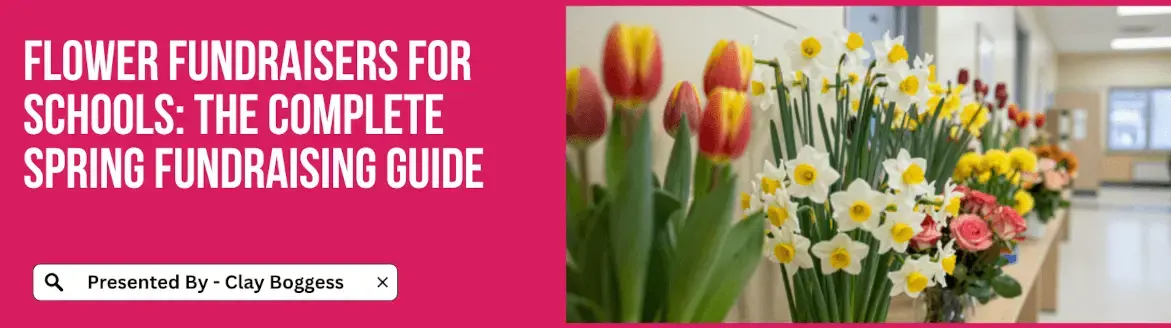
Most school fundraising programs target the same buyer demographic: parents and family members who purchase because of their relationship with the student, not because of the product itself. Flower fundraisers are different. They reach supporters who are already planning to spend money on bulbs and plants for their spring gardens -- people who are active buyers in this category, regardless of the school connection. The fundraiser redirects spending that was already going to happen, rather than creating a new spending decision.
Big Fundraising Ideas has offered spring flower brochure programs and online flower storefronts to schools for over two decades. Thousands of groups have run successful flower fundraisers -- many return year after year because the gardening community is a repeatable, loyal buyer base that responds consistently to quality spring plant and bulb offerings.
What Is a School Flower Fundraiser and How Does It Work?
The structure follows the same format as any brochure fundraiser. Students receive a catalog featuring spring bulbs and plants, an order form, and a money collection envelope. They show the catalog to family, neighbors, and community supporters during the selling window. Completed orders and payments are collected at the close date and submitted as a bulk order to the supplier.
- Brochure format: Students show a physical spring catalog to local buyers -- neighbors, extended family, community members
- Online format: Students share a personalized link -- supporters purchase remotely, and products ship directly to their home
- Combined format: Run both simultaneously -- brochure for local buyers, online for extended family and supporters anywhere in the country
- Zero upfront cost: Schools take orders and collect payment first -- product cost is paid from collected revenue after the campaign closes
Why Flower Fundraisers Work: The Unique Buyer Demographic
The Gardening Buyer vs. The Food Buyer
The buyer demographics for flower fundraisers differ from those for food fundraisers in two important ways. First, gardeners are deliberate purchasers rather than impulse buyers -- they plan their spring planting and actively seek out quality bulbs and plants. Second, the average order value is higher because gardeners typically purchase multiple items per order to cover the plantings they have already planned for their yard.
- Food fundraiser buyer: Impulse purchase, $1 to $2 transaction, broad demographic, purchases because of student relationship
- Flower fundraiser buyer: Deliberate purchase, $13 to $18 average order, adult homeowner demographic, purchases because they want the product
- Overlap: Gardening family members who also buy candy -- flower fundraisers reach the same family AND add a new buyer type
The Differentiation Advantage
In most school communities, families encounter three to five food fundraisers per year—cookie dough, candy bars, popcorn, and beef jerky. By the third or fourth ask, supporter enthusiasm diminishes. A flower fundraiser presents something genuinely different: a quality product for the yard and garden that stands apart from every other school fundraiser in the community. Students find it easier to start the conversation because they are not selling the same thing as the soccer team, the PTA, and the band.
What Flowers Are Available in School Fundraiser Catalogs?
The spring flowers fundraiser catalog features a curated selection of popular spring varieties organized for easy browsing. Supporters shop by flower type and variety rather than navigating a general catalog—this focused product selection reduces decision fatigue and increases conversion rates compared to broad gift catalogs.
- Spring bulbs: Tulips, daffodils, hyacinths, crocuses, and alliums -- the foundational bulb varieties for spring garden planning
- Perennial plants: Hostas and other perennials that return year after year -- particularly appealing to experienced gardeners seeking value
- Quality guarantee: 100% money-back satisfaction guarantee -- removes purchase risk for supporters and builds long-term trust in the program
- Origin: Bulbs and plants from growers in Holland and the United States -- the same sources used by professional garden centers
Online Flower Fundraising: Extending Spring Sales Nationwide
The Flowers Online storefront at Big Fundraising Ideas runs simultaneously with the physical brochure program. A student who shows the brochure to local buyers also shares their online link with grandparents in another state, a parent's coworkers who garden, and social media followers who might never attend a school event. These are buyers that the brochure alone cannot reach -- the online store activates them with no additional logistics required.
- No distribution: Products ship directly to buyers' homes -- no school pickup required for online purchases
- Geographic reach: Any supporter anywhere in the country can participate -- grandparents, alumni, out-of-state family
- Simultaneous with brochure: Run both formats in the same two-week window -- local buyers via catalog, everyone else via online link
How to Run a Successful School Flower Fundraiser
- Time to spring: Launch between February and April. Gardeners are planning spring planting in late winter—the campaign aligns with existing buyer intent rather than creating a new purchase motivation.
- Register and receive a supply kit: Register with Big Fundraising Ideas. Brochure catalogs, order forms, and promotional materials ship free before the campaign launch date.
- Launch with a kickoff: Hold a kickoff assembly or classroom launch. Distribute catalogs to every student participant. Set a firm two-week close date and communicate it clearly at launch.
- Open the online store simultaneously: Launch the Flowers Online store on the same day as the brochure kickoff. Students share their personalized online link with extended family and out-of-area supporters.
- Promote and collect: Send parent communications with the online store link on launch day. Collect completed order forms and payment on the stated close date. Submit the bulk order to Big Fundraising Ideas.
- Distribute and celebrate: Products arrive at the school sorted for distribution. Deliver to students. Announce the final total and communicate how the funds are being used—this closes the trust loop and builds enthusiasm for next year's campaign.
Spring Flower Fundraisers vs. Other Spring Options
Spring Fundraiser Comparison: Flower Program vs. Food Programs
Schools that run a spring flower brochure program alongside direct-sale candy bar or popcorn programs activate two distinct buyer types simultaneously -- reaching both impulsive and deliberate purchasers within the same school community. The two programs do not compete for the same buyer because they serve fundamentally different purchase motivations.
Combining Flower Fundraisers With Your Spring Campaign Calendar
The single-item fundraising catalogs at Big Fundraising Ideas include spring options specifically designed for the February through April window. Groups that have run fall food campaigns find that the spring flower program reaches supporters who passed on the fall program—the different product category converts a segment of the school community that seasonal fatigue had previously made unavailable.
- February: Ideal launch window -- gardeners are starting to plan, motivation is building, competition from other fundraisers is low
- March: Peak window -- spring planting urgency highest, supporters most motivated to purchase before planting season begins
- April: Late spring -- still viable but ordering window for some bulb varieties begins to close; launch by early April for best results
Frequently Asked Questions About Flower Fundraisers for Schools
What is a flower fundraiser for schools?
Why do flower fundraisers work well for schools?
Flower fundraisers reach adult gardening buyers who are already motivated to purchase spring plants and bulbs -- they redirect spending that was already intended for garden centers rather than creating new purchase decisions, driving higher conversion rates among adult community buyers than food fundraisers.
When is the best time to run a school flower fundraiser?
February through April is the optimal spring window when gardening motivation peaks. Supporters planning spring planting are already looking to purchase—the campaign aligns with natural buyer intent.
What flowers are available in school fundraiser catalogs?
The spring flowers fundraiser catalog features tulips, daffodils, hyacinths, crocuses, hostas, and seasonal spring plants from growers in Holland and the United States, all backed by a 100% money-back guarantee.
Are school flower fundraisers available online?
Yes. The Flowers Online storefront lets students share a personalized link with supporters anywhere in the country. Products ship directly to buyers' homes with no school distribution required.
How does a flower fundraiser compare to a candy fundraiser?
Flower fundraisers reach adult gardeners at higher average order values ($13 to $18) while candy bar fundraisers reach impulse buyers at $1 to $2. They target different buyer demographics and work best when run simultaneously as complementary campaigns.
What is the average order value for a flower fundraiser?
$13-$18 per buyer on average. Gardeners typically purchase multiple varieties per order because they are buying for planned garden plantings, not a single impulse purchase.
How long should a school flower fundraiser run?
Two weeks is optimal. Long enough to reach the full family and community network, short enough to maintain urgency and align with the planting season window.
Do flower fundraisers require upfront payment?
No. Schools take orders and collect payment during the campaign window. Product cost is paid from collected revenue after the campaign closes—zero upfront cost required.
What makes flower bulbs a good fundraising product?
Flower bulbs provide ongoing value -- supporters watch them bloom in their yard each spring, creating a positive annual reminder of the school and the purchase. Repeat-buyer rates for flower fundraisers are among the highest for any school fundraising product.
Author Bio
Clay Boggess has been designing fundraising programs for schools and various nonprofit organizations throughout the US since 1999. He’s helped administrators, teachers, and outside support entities such as PTAs and PTOs raise millions of dollars. Clay is an owner and partner at Big Fundraising Ideas.

Related Articles

How Much Can a School Make…
Learn how much you can make from an Otis Spunkmeyer fundraiser; see the profit formula, a worked example, and what affects your total.

Mother's Day and Father…
Mother's Day and Father's Day fundraiser ideas for schools: what to sell, how to price gifts kids can afford, and when to start.

Hot Chocolate Bar Fundraiser…
How to run a hot chocolate bar fundraiser: what to buy, how to price cups, how to keep kids safe around hot drinks, and where it works best.