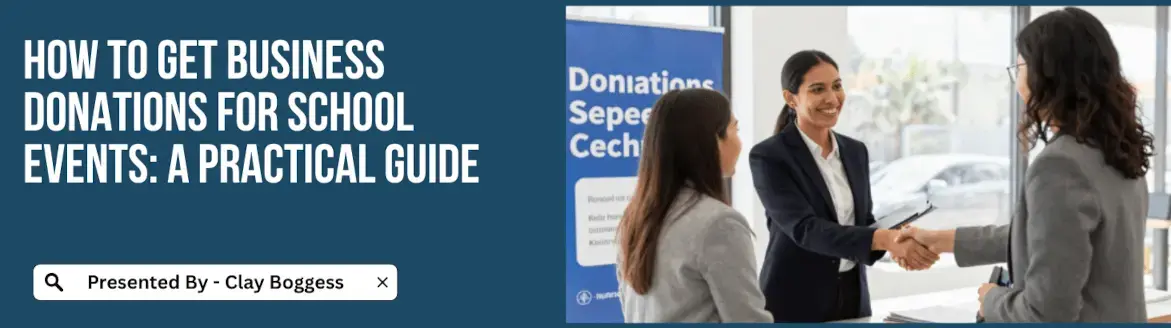
It is surprising how many school organizations do not reach out to local businesses when planning fundraising events. The assumption is that businesses are already overwhelmed by donation requests and will decline them. In reality, local businesses expect to receive donation solicitations from nonprofit organizations. The process is familiar, and many already have a budget or policy in place. What separates a successful ask from an unsuccessful one is rarely the business's willingness to give. It is the quality and personalization of the outreach.
Big Fundraising Ideas has supported school fundraising programs since 1999. This guide covers why businesses give, how to approach them effectively, what to ask for, how to write a donation request that gets results, and how to build the kind of ongoing business partnerships that make every future fundraiser easier to run.
Why Local Businesses Donate to School Events
The relationship between a local business and the school community is not abstract. A restaurant owner whose children attend the school is donating to the same community that walks through their doors on Friday nights. A retailer whose primary customer base is local families is purchasing genuine goodwill among the buyers they need to retain. Understanding these motivations helps school organizations make asks that resonate rather than feel like generic solicitations.
What Businesses Get From Donating
- Community visibility: Logo and name on event materials, school website, social media, and the event program, enduring concentrated exposure to a motivated local audience.
- Goodwill among core customers: School families are often the primary customers of local businesses. The same parents who see the sponsor's name at the gala are the ones who choose restaurants and retailers for their weekly spending.
- Tax deduction: Cash and in-kind donations to qualifying nonprofit school organizations are generally deductible as a business expense. The formal tax receipt letter is a standard part of the process.
- Employee morale: Businesses with employees who have children in school benefit from being seen as community contributors. Corporate giving programs often list local school support as a qualifying activity.
Building Your Business Outreach List
Best Business Categories to Target
How to Approach a Business: The Right Process
- Choose the right time: Mid-morning on a weekday is the best window for most businesses. Avoid restaurant dinner hours, retail holiday weekends, and any business's known peak period. A manager reached during a stressful moment declines; the same manager reached during a quiet period is far more receptive.
- Identify the decision-maker: Ask for the owner or manager by name if you have it. If not, ask, 'Who makes decisions about charitable donations?' Do not leave a voicemail with a general staff member, as it may not be passed to the right person.
- State the specific ask clearly: 'We are running our annual school gala fundraiser and are looking for local business donors. We want to request a $100 restaurant gift card for our silent auction. In return, we will feature your name in all event materials, on our website, and mention you from the podium.' Specific amounts close donations; open-ended requests generate non-commitments.
- Confirm the follow-up: "I will send you a formal letter today with the details and our tax receipt information. What email address should I use?" Confirm the decision-maker's direct contact before hanging up.
- Send the letter the same day: Address it personally to the decision-maker by name. Include the school name, event description, specific ask, what they receive in return, the tax receipt offer, and a response deadline. Keep it to one page.
What to Ask For: Matching the Ask to the Business
- Restaurants and food businesses: Dinner-for-two packages, catering trays for the event, gift cards of $50 to $200
- Hotels and travel: One-night stays, weekend packages, and local attraction tickets are the highest-dollar auction lots that come from this category
- Retail stores and boutiques: Gift cards, product packages, a shopping experience
- Service businesses: Cleaning service, salon treatment, landscaping session, and auto detailing are practical items that adult auction buyers actively want
- Professional service firms: A consultation package, financial planning session, or legal review is highly perceived as value at minimal cost to the donor
- Any business: Cash sponsorship at tiered levels ($250 hole sponsor, $500 event sponsor, $1,000 table sponsor) in exchange for tiered visibility in event materials
The Thank-You Process: What Makes Businesses Come Back
Include these elements in the thank-you: the business name used in the body of the letter (never 'dear donor'), the specific item or amount donated, a note about what the event raised and what it will fund, any relevant attendance or visibility metrics (150 guests, 400 social media followers reached), and a forward-looking sentence that implies a continued relationship. A student-written note included with a school administrator's letter increases renewal rates measurably because businesses respond to evidence that their donation reached real students.
The Discount Card: A Business Partnership That Generates Ongoing Revenue
The discount card fundraiser is one of the most natural ways to build a lasting school-business partnership because it benefits both sides beyond the initial donation conversation. The school earns up to 75 percent profit on each $20 card sold. The business is featured on a card that school families carry for a full year, generating ongoing customer visits. A family that uses the restaurant discount on the card three times in a year has generated more actual business value for that restaurant than a one-time social media mention ever could.
Frequently Asked Questions About Business Donations for School Events
Why do local businesses donate to school events?
Community goodwill among families who are their core customer base, legitimate tax deduction, and personal connection. Many business owners are parents themselves or know people associated with the school. Donating to a school event is community marketing with a positive relationship ROI.
What is the best way to ask a business for a donation?
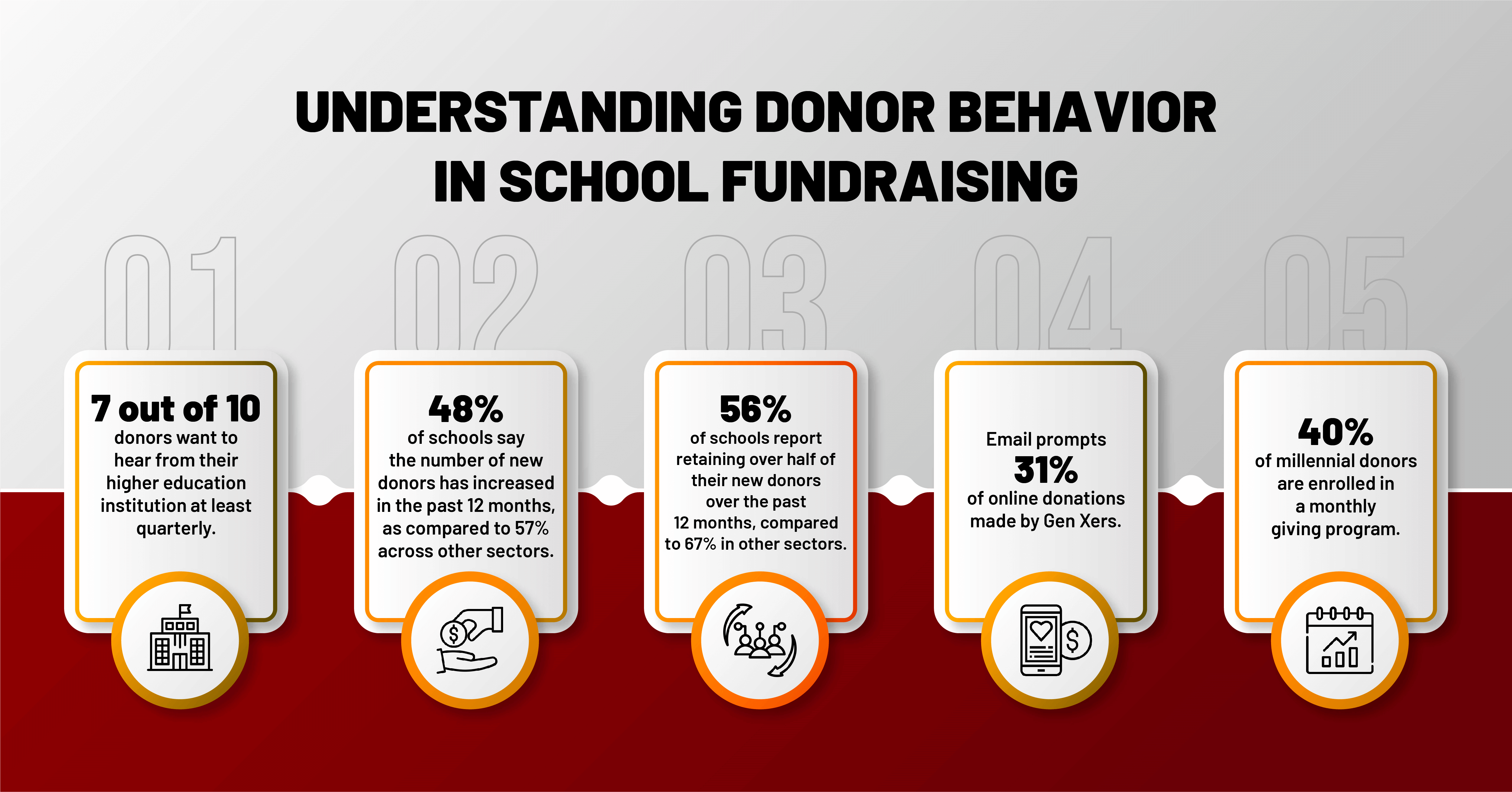
A phone call during a quiet business hour to the decision-maker, followed within 24 hours by a formal donation letter with a specific ask, what they receive in return, and an offer of a tax receipt. Personal relationships convert at 60-70 percent. Cold letters convert at 10-20 percent. Assign outreach to committee members based on existing relationships.
What should you ask businesses to donate?
Match the ask to the business type: restaurants donate gift cards or dining packages; hotels donate stays; retailers donate gift cards; service businesses donate service packages; professional firms donate consultation packages. Always have a specific dollar amount or item type prepared before calling.
How do you write a business donation request letter?
Address it personally to the decision-maker. Include the school name and event, the specific ask, what the business receives in return (logo on materials, social media, program listing), a tax receipt offer, a response deadline, and a personal contact name—all on one page. Personal address. Specific amount.
How do you thank businesses that donate?
A signed thank-you letter from the principal or PTA president within 48 hours of the event. Mention the specific item donated and the amount raised by the event. Include a student note if possible. Recognition at the event, in the newsletter, and on social media. Businesses that feel genuinely recognized renew their donations at significantly higher rates.
Can businesses be featured in school fundraising products?
Discount cards through Big Fundraising Ideas feature local business savings on the card, giving partners year-long exposure to school families. At up to 75% profit per $20 card (verified at bigfundraisingideas.com/discount-card-fundraiser), the school earns fundraising revenue while actively driving year-round traffic to participating businesses.
When is the best time to approach businesses?
60 to 90 days before the event, giving businesses time to budget and get internal approval. Mid-morning on weekdays during non-peak business periods. Avoid holiday seasons for retail, dinner hours for restaurants. Many businesses have fiscal calendars that dictate giving windows, and approaching in their Q1 or Q2 captures the highest budgeted response rates.
How do you build a lasting business partnership?
Thank specifically and promptly, provide measurable evidence of their exposure, and reach out again the following year with a specific reference to their prior generosity. Businesses that deliver measurable results and feel appreciated give more in subsequent years.
How many businesses should you approach?
Two to three times the number of donations needed. If you need 20 auction items, approach 40-60 businesses. Personal relationships convert at 60 to 70 percent; cold letters at 10 to 20 percent. A diversified outreach list ensures needs are met even when some businesses decline.
What do businesses receive for donating?
Logo on event materials, website, and social media; mention in the school newsletter; verbal recognition at the event; name in the program; tax receipt. Discount card program participants receive ongoing marketing exposure every time a family uses the card throughout the year (the highest sustained value among recognition formats).
Author Bio
Clay Boggess has been designing fundraising programs for schools and various nonprofit organizations throughout the US since 1999. He’s helped administrators, teachers, and outside support entities such as PTAs and PTOs raise millions of dollars. Clay is an owner and partner at Big Fundraising Ideas.

Related Articles

Chocolate Bar Fundraiser for…
How are chocolate price swings affecting school fundraisers? See what changed in 2026, the profit per bar, and how to choose a price point.

World's Finest Chocolate…
Compare the World's Finest Chocolate fundraiser, including shipping, minimum order requirements, profit tiers, payment terms, and returns.

One-Week School Fundraiser: A…
Plan a one-week school fundraiser day by day, from product arrival and kickoff to the final push, collection, and the invoice due date.