Budget pressure on school programs is a consistent reality for principals and PTA coordinators across the United States. Equipment, field trips, extracurricular activities, and classroom resources all require funding that school districts rarely provide in full. Car wash fundraisers have long been a staple of student fundraising — they are familiar, low-cost to organize, and generate genuine community engagement. But their limitations are real, and understanding those limitations helps school leaders make smarter fundraising decisions for their specific situation.
Big Fundraising Ideas has worked with school programs, sports teams, and parent organizations since 1999. This guide covers exactly how to plan a car wash fundraiser, what realistic profit expectations look like, and how product-based programs compare for schools seeking more reliable, repeatable fundraising results.
What Is a Car Wash Fundraiser and How Does It Work?
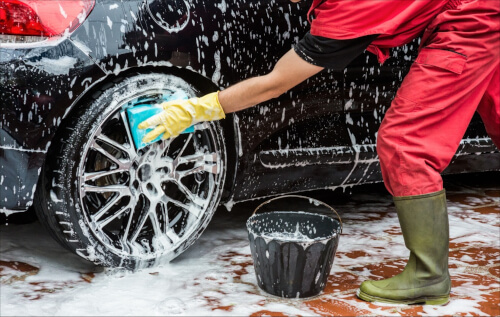
The format is straightforward. A team secures a location with water access — typically a school parking lot, church lot, or local business property — sets up washing and drying stations, posts roadside signs to attract traffic, and washes cars throughout the day while collecting payment. Students assigned as flaggers wave in passing vehicles while others handle soaping, rinsing, and drying.
The appeal is clear: low supply cost, high community visibility, and a tangible service that gives donors something in return for their contribution. For sports teams in particular, the car wash has become a cultural fundraising institution. The sports team fundraising programs at Big Fundraising Ideas complement car wash events well for teams that want to run an event and a product campaign in the same season.
How Much Money Do Car Wash Fundraisers Make?
The profit math for a car wash is straightforward but fragile. A team charging $12 per wash needs to wash 100 cars to gross $1,200. At six hours of operation with two wash lines, washing 100 cars requires approximately one car every 7 minutes. That is achievable with a well-organized crew and consistent traffic — but any gap in either creates a shortfall.
Car Wash Fundraiser Revenue Expectations at a Glance
Assumes supply costs of $50-$120 for soap, towels, and signage. Does not account for permit fees if applicable.
How to Plan a Car Wash Fundraiser for Schools: Step-by-Step
Step 1: Confirm Legality and Secure Your Location
Before anything else, verify that car wash fundraisers are permitted in your municipality. Some communities in the United States restrict or prohibit them due to water runoff regulations that protect local drainage and water sources. Contact the city hall or your local environmental office and confirm compliance before booking any location.
Once confirmed, secure a location with reliable water access, good road visibility, and space for at least two wash lines to operate simultaneously. School parking lots, church lots, and local business parking areas, with the owner's permission, are the most common choices.
Step 2: Set Your Date, Goal, and Pricing
Choose a sunny weekend day between late spring and early fall. Saturday between 9 a.m. and 3 p.m. is the standard window. Check the local events calendar for conflicts. Set a specific dollar goal before launch, and calculate how many cars are needed to reach it at your planned price point. Post this goal publicly to give volunteers something to rally around.
- Basic exterior wash: $10 to $12 — lower friction, faster throughput
- Deluxe wash (interior wipe-down included): $20 to $25 — higher per-car revenue, slower service
- Donation-based: No set price — can increase average contribution but reduces predictability
Step 3: Recruit and Assign Volunteer Roles
Recruit 15 to 20 volunteers for a productive event. Assign defined roles to prevent confusion and keep cars moving. More volunteers per station means faster service and higher throughput.
- Flaggers (2-3 people): Wave signs at the roadside to attract passing traffic — the most important revenue-driving role
- Washers and rinsers (6-8 people): Soap application and rinse stations running simultaneously on two lines
- Dryers (3-4 people): Towel dry and basic interior wipe if offering deluxe option
- Cashiers (2 people): Collect payment, provide change, track revenue throughout the day
- Shift rotators: Rotate all outdoor volunteers every 60 to 90 minutes to maintain energy and prevent fatigue
Step 4: Gather Supplies Without Overspending
Keep supply costs at 10-15 percent of your revenue goal. For a $1,000 target, budget $100-$150 for supplies. Reach out to local auto parts stores, hardware stores, or parent volunteers to borrow or donate supplies in exchange for recognition on event signage.
- Hoses with spray nozzles (2 minimum)
- Large buckets (4 to 6)
- Car wash soap — eco-friendly formula reduces runoff concerns
- Wash mitts or sponges (8 to 10)
- Drying chamois cloths or microfiber towels (10 to 15)
- Waterproof signage with event name, price, and cause
- Cash box and change for the cashier station
Step 5: Promote Two Weeks in Advance
Promotion drives traffic, and traffic drives revenue. Use every available school communication channel: parent email list, school app, social media pages, and physical flyers posted at local businesses. For best results, combine online fundraising promotion strategies with your in-person event — post-event details, including the goal amount and a photo of the team, to personalize the ask.
- Two weeks out: Parent email and school newsletter announcement with date, location, pricing, and cause
- One week out: Social media reminder with team photo and progress toward supply-gathering goal
- The day before: Roadside signs were placed at 3 to 5 high-visibility intersections near the event location
- Day of: Live updates from the event on school social media pages — creates urgency and community FOMO.
Step 6: Run the Event Efficiently
On event day, establish two parallel wash lines before the first customer arrives. Brief all volunteers on their role, rotation schedule, and what to do if a problem arises. Keep energy high with music and visible progress updates toward the car count goal. Announce milestones — 25 cars washed, 50 cars washed — to maintain momentum throughout the day.
Step 7: Wrap Up and Count Proceeds
Break down all stations within 30 minutes of closing. Return any borrowed equipment. Count all revenue in the presence of at least two people for accountability. Share the final total with the school community, recognize top volunteer contributors, and communicate exactly how the funds will be used, closing the trust loop and building goodwill for next year.
Car Wash Fundraiser vs. Product Fundraisers: Honest Comparison
The comparison below is not designed to dismiss car wash fundraisers — they have genuine value for team building and community visibility. It is designed to help school coordinators understand the trade-offs so they can allocate their most limited resource (coordinator time) toward the approaches that generate the strongest return per hour invested.
Car Wash Fundraiser vs. Product Fundraiser: Full Comparison
Higher-Profit Alternatives to Car Wash Fundraisers
Every program below is available through Big Fundraising Ideas with zero upfront cost, free promotional supplies, a dedicated fundraising coordinator, and access to Big Event Prize Programs that increase student participation by 30 to 50 percent.
1. Cookie Dough Fundraiser — Consistent Top Performer
Cookie dough brochure programs generate 40 to 50 percent profit and rank among the most widely accepted product fundraisers. Supporters purchase by the tub from a catalog, orders are collected over two weeks, and products are delivered pre-sorted by seller. The cookie dough fundraiser program at Big Fundraising Ideas includes Otis Spunkmeyer options and is available both as a brochure and through an online storefront.
2. Candy Bar Fundraiser — Fastest Direct-Sale Option
Candy bar direct-sale fundraisers deliver 40 to 55 percent profit with no order forms and no distribution day. Students carry pre-stocked boxes and collect payment on the spot. All candy bars available through Big Fundraising Ideas are kosher and include popular name brands. Impulse-purchase dynamics mean students can sell a full box in a single school day without any sales pitch.
3. Popcorn Fundraiser — Broad Appeal, High Margin
Poppin Popcorn fundraisers generate up to 50 percent profit with a product that has broad demographic appeal across all age groups. Available as both a direct-sale and online program, popcorn campaigns work year-round and offer multiple flavors that increase average order values. Gluten-free and GMO-free options address dietary preference concerns for many school communities.
4. Beef Jerky Fundraiser — Unique Product, Strong Margins
People's Choice Beef Jerky direct-sale fundraisers achieve 45 to 55 percent profit on a product that faces virtually no competition in the school fundraising market. High-protein, low-sugar positioning appeals to health-conscious buyers and sports families. The beef stick fundraiser program ships directly to the school with no minimum order requirement for reorders.
5. Lollipop Fundraiser — High Volume, $1 Price Point
Yummy Lix Lollipops generate 45 to 53 percent profit at a $1 price point, making them one of the highest-margin direct-sale programs available. The low price point reduces sales resistance and enables students to sell to large numbers of buyers quickly. The lollipop fundraiser program requires a 1-case minimum order and turns around within a few business days of submission.
6. Smencils — Classroom-Ready, 55% Profit
Smencils are scented gourmet pencils that generate up to 55 percent profit at a $2 price point, with strong repeat purchase rates among K-5 students. Teachers and administrators consistently support Smencil fundraisers because the product is non-toxic, eco-friendly, and used during the school day — making it the least intrusive direct-sale option available.
7. Online Fundraising Storefront — Maximum Reach, Zero Logistics
Online fundraising storefronts eliminate distribution logistics by shipping products directly to supporters nationwide. Students receive a personalized link, share it by text and social media, and the platform handles payment, fulfillment, and order tracking. Big Fundraising Ideas offers cookie dough, popcorn, tumblers, custom apparel, and Goodies and Gifts online — all with zero upfront cost and real-time coordinator dashboards.
Product Fundraiser Comparison: All Programs at a Glance
The Big Event Prize Programs Advantage
One of the most consistent ways to increase participation in car wash and product fundraisers is a structured prize program tied to individual milestones. Big Event Prize Programs are exclusive to Big Fundraising Ideas and replace traditional toy prize catalogs with experiential rewards: Super Party inflatable events, Super Splash Party water events, Magic Shows, and Reptile Adventures.
Schools that activate a Big Event Prize Program see 30 to 50 percent higher participation than campaigns running without structured incentives. For product fundraisers, this translates directly into higher per-campaign revenue. The experiential format motivates students in a way that plastic toys do not — particularly in the 8-to-14 age group, where peer social experiences carry the most weight.
Frequently Asked Questions About Car Wash Fundraisers
Is a car wash fundraiser worth it for schools?
How much money can a car wash fundraiser make?
Most school car wash fundraisers raise $300 to $1,000 per event, depending on location, traffic, volunteer count, and pricing. Well-organized events in high-traffic locations with 20 or more volunteers can occasionally reach $2,000 to $3,000 but require favorable weather and significant planning time.
What supplies do you need for a car wash fundraiser?
A school car wash fundraiser requires hoses with water access, buckets, car wash soap, sponges or wash mitts, drying towels, waterproof signage, and a cashier setup for collecting payment. A backup plan for rain and confirmation that local regulations permit the event are also essential pre-event requirements.
What are the best alternatives to a car wash fundraiser for schools?
Product-based fundraisers, including cookie dough, candy bars, popcorn, beef jerky, and lollipops, consistently outperform car wash events in total profit and require no day-of labor, no weather dependency, and no location permits.
How do you promote a car wash fundraiser?
Promote via school newsletter, parent email, and social media two weeks in advance. Place roadside signs at nearby intersections the day before the event. Colorful signs held by volunteers at the roadside on event day are the most effective driver of walk-up traffic. Social media posts with live updates during the event extend reach further.
Are car wash fundraisers legal in all areas?
Car wash fundraisers are not legal everywhere. Some municipalities restrict or prohibit them due to water runoff regulations that protect local drainage and water sources. Schools should verify local rules with the city hall and the property owner before scheduling and confirm environmental compliance in advance of any promotion.
How long does a car wash fundraiser take?
Most school car-wash fundraisers run for four to six hours, typically from 9 a.m. to 3 p.m. on a Saturday. Setup and cleanup add roughly one hour on each end, making the total volunteer commitment six to eight hours per participant — a significant time investment relative to the revenue generated.
How does a car wash fundraiser compare to a cookie dough fundraiser?
Cookie dough fundraisers require no day-of labor, operate in any weather, reach families anywhere in the country through online storefronts, and generate a consistent 40 to 50 percent profit over a two-week campaign. Car wash fundraisers are weather-dependent, location-limited, and typically generate $300 to $1,000 per event with significant volunteer coordination.
Can schools do car wash fundraisers year-round?
Car wash fundraisers are most viable in late spring through early fall when warm weather supports outdoor events. They are impractical in cold, rainy, or winter months, which limits them to a narrow seasonal window. Product fundraisers and online campaigns can run successfully at any time of year, with no seasonal restrictions.
What fundraiser is easier than a car wash for schools?
Brochure fundraisers, direct-sale product campaigns, and storefronts are all significantly easier to run. They require no location permits, no weather-dependent planning, no day-of coordination, and generate higher profit over a longer selling window with far less volunteer burden.
Author Bio
Clay Boggess has been designing fundraising programs for schools and various nonprofit organizations throughout the US since 1999. He’s helped administrators, teachers, and outside support entities such as PTAs and PTOs raise millions of dollars. Clay is an owner and partner at Big Fundraising Ideas.

Related Articles

Mother's Day and Father…
Mother's Day and Father's Day fundraiser ideas for schools: what to sell, how to price gifts kids can afford, and when to start.

Hot Chocolate Bar Fundraiser…
How to run a hot chocolate bar fundraiser: what to buy, how to price cups, how to keep kids safe around hot drinks, and where it works best.

Donuts with Dad and Muffins…
How to plan a Donuts with Dad or Muffins with Mom event: ticket pricing, donut math, activities, and how to include every child.