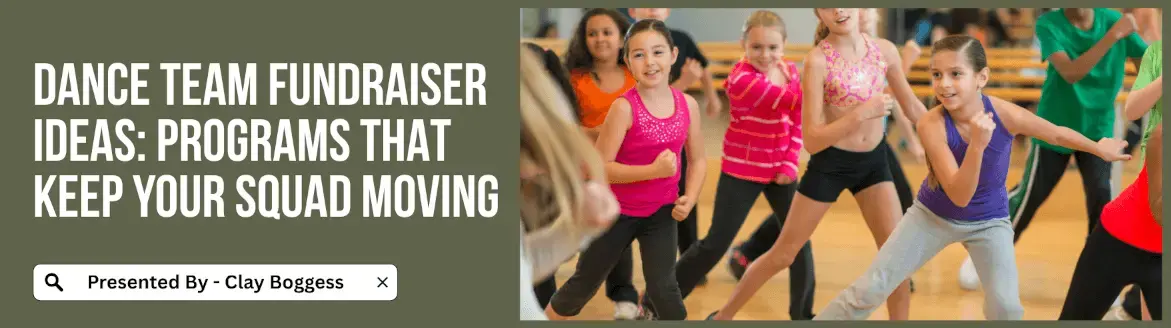
Dance teams share a consistent financial reality: competition fees, costumes, travel costs, studio rentals, and choreography expenses add up faster than dues alone cover. Fundraising bridges the gap — and for dance teams specifically, the fundraiser needs to match the program's energy. That means fast turnaround, minimal coordinator burden, and products that dance families genuinely want to buy.
Big Fundraising Ideas has supported sports teams and performing arts programs since 1999. The programs below are ranked by those that consistently deliver the best results for dance studios, school dance teams, and cheer programs — based on actual campaign outcomes, not theory.
What Is a Dance Team Fundraiser and How Does It Work?
The structure that consistently works for dance teams is a two-week window in which each dancer is personally responsible for their sales — either carrying direct-sale products they sell on the spot or sharing an online store link they push via social media and text. Personal accountability drives performance in ways that group appeals never replicate.
- Direct-sale format: Dancers receive pre-stocked product, sell immediately, collect cash on the spot — no order forms, no delivery wait
- Online storefront format: Dancers share a personal link, supporters buy remotely, products ship directly to buyers — zero distribution logistics
- Merchandise format: Custom tumblers or apparel ordered through an online store — supporters pay, product ships, team earns 20-50% profit
Best Dance Team Fundraising Ideas Ranked by Profit
Dance Team Fundraising Programs — 2026 Profit Comparison
All programs require zero upfront cost. Profit % based on Big Fundraising Ideas program terms.
Direct-Sale Products for Dance Teams: Fastest Cash With Zero Logistics
Lollipops: Higher Margin, Lowest Barrier
Yummy Lix Lollipops generate 45 to 53 percent profit at a $1 price point — the highest-margin food product available for dance teams. The one-dollar barrier eliminates virtually all buying resistance. Young dancers aged 6 to 14 can sell to large numbers of buyers across their immediate family and neighborhood without any formal sales approach. A box of 48 lollipops at $1 each generates $26 to $28 net profit per dancer in a single selling window.
Candy Bars: Universal Appeal Across All Ages
Kosher candy bars deliver 40 to 55 percent profit at $1 to $2 per bar and are the most familiar direct-sale fundraising product. Dance families purchase reflexively — candy bars are an impulse buy that requires no pitch. For dance teams with members across a wide age range (recreational K-5 through competitive high school), candy bars are the most universally effective single product.
Beef Jerky: The Athletic Family Option
People's Choice Beef Jerky generates 40 to 55 percent profit with a product that appeals specifically to the athletic family demographic. Dance competition families — parents, grandparents, and coaches — respond strongly to a high-protein snack alternative to candy. For competitive dance programs with a sports-adjacent community, beef jerky frequently outsells candy among adult buyers.
Custom Merchandise Fundraisers for Dance Teams
Custom Tumblers: Revenue and Brand in One
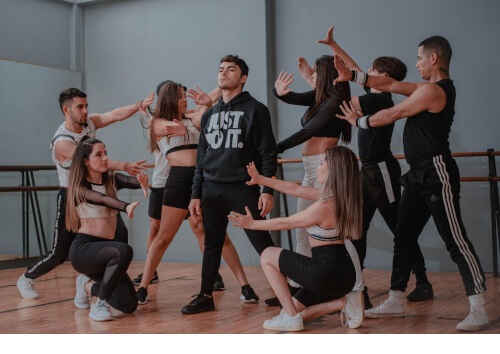
Custom tumblers are uniquely effective for dance teams because they deliver ongoing marketing value beyond their revenue contribution. A dancer's family member who carries a team-branded tumbler to work, school, or the gym creates daily visibility for the program in environments the team could never reach through traditional promotion. The custom tumbler fundraiser is available online with the team's name, logo, and colors — supporters order directly through the team's storefront, and the product ships to their homes. At $25 to $40 per tumbler, with 40 to 50 percent profit, a 20-member dance team, with each member finding 10 buyers, generates $2,000 to $4,000 net from a single online campaign.
Custom Apparel: Competition Season Timing
Custom apparel online — team shirts, jackets, and warm-up gear branded with the dance program — is most effective when timed to competition season. Supporters purchase to show their affiliation at competitions, creating natural urgency and a built-in buyer deadline. Teams that open their apparel store four to six weeks before a major competition consistently outsell teams that run apparel campaigns without a timing hook.
Online Fundraisers for Dance Studios and School Teams
The online fundraising store available through Big Fundraising Ideas runs simultaneously with any direct-sale campaign. On the same day dancers receive their in-person product, they share their online link — reaching grandparents, extended family, former classmates, and social media followers who will never see a physical product. For competitive dance teams with supporters in multiple cities, the online component often becomes the primary revenue driver.
- Products available online: Cookie dough, popcorn, Yankee candles, crazy socks, custom tumblers, custom apparel, Goodies and Gifts
- Logistics: Zero — platform handles payment, fulfillment, and shipping directly to buyers
- Coordinator time: Near zero — launch the store, share the link, let the platform track everything, including sales
How to Run a Dance Team Fundraiser: Step-by-Step
- Set your goal: Name the specific expense — competition registration, new costumes, travel to a regional. A concrete goal motivates dancers more than a general 'raise money for the team' ask.
- Choose your program: Direct-sale for fast cash and simple logistics. Online store for extended reach. Custom merchandise for team identity. Most effective campaigns run two formats simultaneously.
- Activate a prize: Add a free fundraiser prize program or individual milestone reward—dancers with a personal incentive sell 30 to 50 percent more than those without one.
- Launch at practice: Distribute direct-sale product and online links at a scheduled practice. Brief the team on the goal, the close date, and what they are earning. Personal excitement at launch drives first-week results.
- Push parents to share: Send a parent text or email with the online store link on launch day. Every parent who shares their child's link multiplies reach by their social following. First-day sharing produces the highest return.
- Close firmly at two weeks: Collect all direct-sale cash and close the online store on the stated date. No exceptions — firm close dates create urgency that drives last-minute purchases.
- Announce the result: At the next practice, announce the total raised and connect it directly to the goal. 'We raised enough to cover our regional registration and two nights of hotel’, lands differently than 'we raised $2,400.' Specificity motivates future participation.
Dance Studio vs. School Dance Team Fundraising
School Dance Team Fundraising
School dance teams can leverage the school's existing parent communication systems — school apps, newsletter, and principal announcements — to promote their campaign. The cheerleader and dance program fundraising resources available through Big Fundraising Ideas include promotional materials designed for school distribution. School dance teams also benefit from access to the school's physical distribution network on delivery day, which simplifies logistics for brochure programs compared to private studios.
Private Dance Studio Fundraising
Private studios operate without a school communication infrastructure, making online storefronts the most efficient format. Every dancer's personal share link bypasses the studio's limited marketing reach — a dancer with 500 Instagram followers can instantly reach 500 potential buyers with a single post. For private studios, the online component is not supplemental to the campaign — it is often the entire campaign.
Frequently Asked Questions About Dance Team Fundraisers
What are the best dance team fundraiser ideas?
How do dance teams raise money for competitions?
Dance teams raise money for competitions most effectively through product-based fundraisers that run for two weeks with minimal oversight from coordinators. Direct-sale programs like lollipops and candy bars generate immediate cash. Online storefronts reach out-of-area families whose support offsets travel and competition entry costs.
What products sell best for dance team fundraisers?
Yummy Lix Lollipops sell best to younger dance teams due to their one-dollar price point and 50-58% margin. Custom tumblers sell best for high school and college dance teams. Candy bars sell consistently across all dance team age groups with near-zero sales resistance.
How much can a dance team raise?
A 20-member dance team with 90 percent participation, each selling 50 lollipops at 55 percent profit, generates approximately $400 in net. The same team, running a custom tumbler online campaign with each member reaching 10 buyers at $30 per tumbler, generates $2,160 in net revenue from a single two-week campaign.
Can dance studios use online fundraisers?
Yes. Online fundraising storefronts are highly effective for dance studios because dance families have geographically dispersed supporter networks. Each dancer receives a personalized link to share via social media and text, extending reach far beyond the local community.
What is the easiest fundraiser for a dance team?
Direct-sale lollipop and candy bar programs are the easiest dance team fundraisers because they require no order forms, no catalog distribution, and no delivery day logistics. Students receive pre-stocked product, sell to family and neighbors, and return cash immediately. Total coordinator time is under two hours.
Do prize programs work for dance team fundraisers?
Yes. Prize programs increase dance team participation rates by 30 to 50 percent. Experiential rewards, such as Super Party or Magic Show events, motivate dancers in the 6-to-14 age group more effectively than product prize catalogs because the shared experience aligns with dance team culture.
What types of custom merchandise work for dance teams?
Custom tumblers branded with team name and logo are the highest-performing merchandise fundraiser for dance teams. Custom apparel online generates similar profit and works best timed to the competition season when supporters have a specific reason to purchase.
When is the best time to run a dance team fundraiser?
Fall (September through October) and spring (February through March) are the highest-engagement windows for dance team fundraisers because they precede competition season, when financial need is highest and team motivation peaks. Avoid December and June when schedule conflicts reduce participation rates.
Can small dance studios run profitable fundraisers?
Yes. Direct-sale programs have one-case minimums, and online storefronts have no minimum order requirements. A small studio of 15 dancers, with each member selling 40 lollipops at a 45 percent profit, generates $270 in net profit from a campaign that takes less than one coordinator's hour to launch.
Author Bio
Clay Boggess has been designing fundraising programs for schools and various nonprofit organizations throughout the US since 1999. He’s helped administrators, teachers, and outside support entities such as PTAs and PTOs raise millions of dollars. Clay is an owner and partner at Big Fundraising Ideas.

Related Articles

How Does a School Get Paid…
How does a school get paid after a fundraiser? See how direct-sale, brochure, and online fundraisers settle invoices or send profit payments.

How Much Can a School Make…
Learn how much a school can make from a popcorn fundraiser using the profit table, worked examples by group size, and what affects your total.

Cupcake Decorating Fundraiser…
How to run a cupcake-decorating contest fundraiser: entry fees, fair judging, allergen labeling, and three ways to raise money at one event.