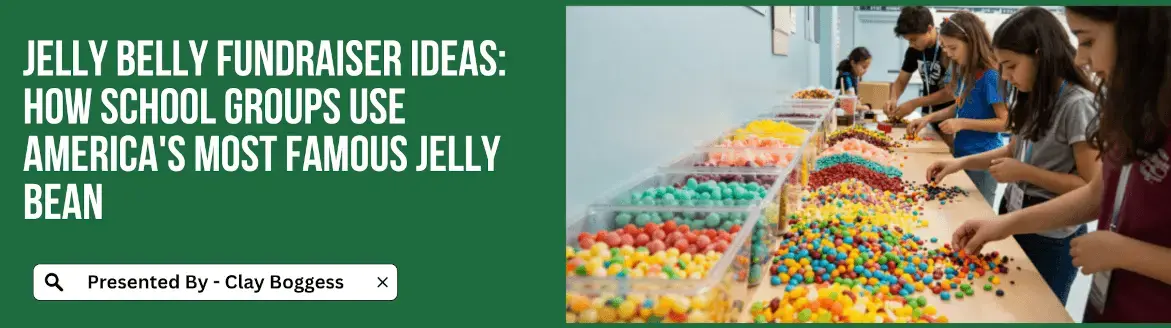
Name-brand recognition is the most undervalued asset in product fundraising. Every second a student spends convincing a buyer that a product is good is a second the brand should have spent doing for them. Jelly Belly requires almost no persuasion. The buyer sees the name on the brochure and associates it with a product they have already purchased, enjoyed, and trusted. The pitch becomes an invitation to buy what they already want from a source that supports the school.
Big Fundraising Ideas has offered school fundraising programs, including Jelly Belly, since 1999. Every figure in this guide is verified at the live product pages at bigfundraisingideas.com.
How the Jelly Belly Fundraiser Works
From the catalog fundraisers page at bigfundraisingideas.com, a verified customer review states: 'The Jelly Belly fundraiser was great! Very easy to order from, and the orders were separated by participant with their name on the bag.'
The packed-by-seller distribution is one of the operational advantages that distinguishes BFI's catalog programs. What would otherwise be hours of post-delivery sorting is done before the order arrives at school.
Brochure Format
- Students receive a catalog and order form at kickoff.
- Buyers choose products, pay upfront, and write their selections on the order form.
- After two weeks, the school submits a consolidated order to Big Fundraising Ideas.
- Orders arrive 3 to 4 weeks after submission and are packed by the seller for distribution.
Online Store Format
- Registered participants receive a unique online store link.
- Students share the link via text, email, and social media to reach supporters anywhere in the country.
- Supporters shop and pay online; products ship directly to their homes.
- Online sales count toward prize credit and generate the same 40 percent profit as brochure sales.
Profit Math: What a Jelly Belly Campaign Earns
40% profit verified at bigfundraisingideas.com. Average retail price of ~$14 from Sweets & Treats brochure product pages. 10 items per seller is an illustrative example (actual per-seller averages vary).
What Makes Jelly Belly Different From Other Candy Fundraisers
- Brand Recognition: Jelly Belly has been America's most famous gourmet jelly bean brand since 1976, so buyers know it before the pitch starts.
- Unique Flavors: Branded collaborations with Krispy Kreme Donuts, Snapple, and Cold Stone Creamery create exclusivity that buyers cannot replicate through retail purchases.
- Gift Appeal: Jelly Belly is a recognized gift-quality product, and buyers who would not purchase a generic candy bar for a gift will purchase Jelly Belly for birthdays, holidays, and office occasions.
- Quality Assurance: Buyers who already trust the Jelly Belly brand extend that trust to the fundraising product without needing to taste or sample it first.
The Sweets and Treats Brochure: Jelly Belly in a Larger Lineup
For schools that want the Jelly Belly brand recognition alongside a broader product selection that gives every buyer something they want, the Sweets and Treats brochure is the strongest format. Buyers who are not Jelly Belly fans can choose from the other 50 products in the lineup. Buyers who are Jelly Belly fans can choose from the full Jelly Belly variety in the same brochure.
The 51-product range maximizes the number of buyers who find something they want to purchase, which drives higher per-seller participation rates than a single-product catalog.
Running Jelly Belly Alongside a Scratch Card Program
The scratch card fundraiser and the Jelly Belly brochure reach entirely different buyer groups through different interactions. The neighbor who scratches a dot and donates $3 is not the same person who orders $28 worth of Jelly Belly flavors from a brochure. Running both from the same two-week window captures the maximum revenue from the school community without any overlap or donor competition between the two programs.
When to Run a Jelly Belly Fundraiser
Fall campaigns that close in November give buyers enough lead time to include Jelly Belly orders in their holiday gift planning. Spring campaigns timed to close before Valentine's Day convert buyers who are actively shopping for candy gifts at that moment. Schools that run two Jelly Belly campaigns per year (one in fall and one in spring) reach the same buyer pool in two high-conversion windows without the repetition fatigue that characterizes year-round single-product programs.
Frequently Asked Questions About Jelly Belly Fundraisers
How does a Jelly Belly fundraiser work?
Brochure and online store program. Students show the Jelly Belly catalog, take orders with upfront payment, and submit a consolidated order at close. Orders arrive packed by seller. An online store allows supporters anywhere to order and have products shipped home. Both formats generate 40% profit (verified at bigfundraisingideas.com).
How much profit does a Jelly Belly fundraiser make?
40 percent on all brochure and online sales, as verified at bigfundraisingideas.com. At an average retail price of ~$14 per item, 60 sellers, each averaging 10 items, = $8,400 gross and $3,360 net from a two-week campaign.
What Jelly Belly products are available?
A large variety of Jelly Belly jelly beans, including unique branded flavor collaborations with Krispy Kreme Donuts, Snapple, and Cold Stone Creamery, plus classic Jelly Belly flavors. The Sweets and Treats brochure (which includes Jelly Belly) features 51 total products: 9 gluten-free and 29 zero-trans-fat.
Why does Jelly Belly brand recognition help fundraising?
Buyers who already know and trust the brand make purchase decisions faster and require less persuasion. The unique, brand-specific flavors (Krispy Kreme, Snapple, Cold Stone) give longtime Jelly Belly fans a reason to order items they have never tried before, driving higher per-buyer order values.
How does the Jelly Belly online fundraiser work?
Registered participants share a unique link via text, email, and social media. Supporters shop and pay online. Products ship directly to buyers' homes. Same 40% profit as brochure. Online sales count toward prize credit. Available at bigfundraisingideas.com.
Can schools run a brochure and an online campaign simultaneously?
Yes! Brochure reaches local buyers in person; online store reaches supporters anywhere. Running both simultaneously generates 30 to 50 percent more total revenue than either format alone—products from the online store ship directly to buyers, no school-side logistics required.
Who are the best buyers for a Jelly Belly fundraiser?
The best buyers are people who already purchase Jelly Belly for home or gifts. Specifically, workplace contacts reached through parent sellers. Adults buying for gift occasions (holidays, Valentine's, Easter) convert at the highest rates. Parent workplace selling generates the highest per-seller averages of any channel.
When is the best time to run a Jelly Belly fundraiser?
Fall (October to November) and spring (February to April). Gift-giving windows activate adult buyers already looking for quality candy products. Fall campaigns that close in November capture holiday gift buyers. Spring campaigns around Valentine's Day convert buyers who are shopping for candy gifts at that moment.
How is Jelly Belly different from a generic candy fundraiser?
Brand recognition removes the persuasion step. Buyers see the Jelly Belly name and say yes in seconds. Unique branded flavors (Krispy Kreme, Snapple, Cold Stone) drive higher per-order values than standard jelly beans. Gift-quality positioning drives purchases from adult buyers who would not otherwise buy a generic candy product.
Can Jelly Belly be combined with other programs?
Scratch cards at 85% profit (25-99 cards, $15/card, $85 net, as verified at bigfundraisingideas.com) run alongside the Jelly Belly brochure with zero buyer overlap. The scratch card donor and the Jelly Belly brochure buyer are different people reached through different interactions in the same two-week window.
Author Bio
Clay Boggess has been designing fundraising programs for schools and various nonprofit organizations throughout the US since 1999. He’s helped administrators, teachers, and outside support entities such as PTAs and PTOs raise millions of dollars. Clay is an owner and partner at Big Fundraising Ideas.

Related Articles
One-Week School Fundraiser: A…
Plan a one-week school fundraiser day by day, from product arrival and kickoff to the final push, collection, and the invoice due date.
How Does a School Get Paid…
How does a school get paid after a fundraiser? See how direct-sale, brochure, and online fundraisers settle invoices or send profit payments.
How Much Can a School Make…
Learn how much a school can make from a popcorn fundraiser using the profit table, worked examples by group size, and what affects your total.