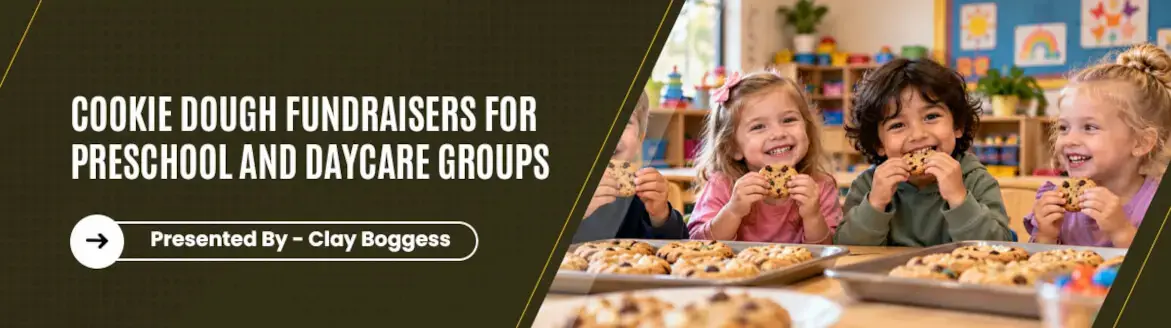
Preschools and daycares also tend to have smaller enrollments than elementary schools, and tuition-paying families often already have a real financial commitment to the program. Both realities shape what a realistic, respectful fundraising ask looks like, and they differ from the assumptions a typical school-wide brochure campaign is built on.
Big Fundraising Ideas has supported cookie dough fundraising programs since 1999, including for preschool and daycare groups specifically. This guide covers how the campaign structure needs to shift for this age group, and which parts of a standard campaign carry over unchanged.
The One Real Difference: Who Does the Selling
- Parents are the Sellers, Not the Children: Frame the campaign from the start as something parents do on behalf of their child, not something the child is expected to pitch.
- The Buyer Network Shifts to Adults: Coworkers, extended family, and neighbors the parent knows personally replace the classmates-and-neighbors network an older student would use.
- Workplace Selling Is the Primary Channel: A parent sharing an order form or online store link with coworkers is often the single highest-converting channel for this age group. This reaches an audience with steady income and no direct competition for their attention.
- Social Media and Messaging Apps Work Well: When a parent posts their child's fundraiser link to their own network, it reaches family and friends who would never otherwise hear about a small daycare's campaign.
What Stays the Same
- The Brochure and Pricing Structure: Standard cookie dough options and pricing work the same whether the seller is a second grader or a parent selling on a toddler's behalf.
- Delivery Logistics: Frozen product still needs the same distribution planning covered in general cookie dough delivery guidance, regardless of who did the selling.
- The Online Store Option: An online cookie dough store works particularly well here, since it is the easiest format for a parent to share with their own network without any in-person selling required.
Sizing the Campaign for a Smaller Enrollment
Being Mindful of Tuition-Paying Families
- Frame the Ask Around Something Tuition Doesn't Cover: New outdoor play equipment, classroom supplies beyond the basics, or a special event gives families a clear reason the fundraiser exists alongside tuition rather than feeling like an additional tuition payment.
- Keep Participation Genuinely Optional: A fundraiser at a tuition-based program should never feel like it affects how a child is treated in the classroom, and communicating that plainly removes an unspoken worry some families carry
- Consider a Shorter, Lighter-touch Campaign: A scratch card fundraiser or discount card campaign run alongside the cookie dough brochure gives families a lower-commitment way to help if a full brochure order isn't the right fit for their budget.
Frequently Asked Questions
Can preschoolers sell cookie dough door-to-door?
Realistically, a campaign built around a preschooler personally pitching neighbors will underperform. The effective model has parents sell on their child's behalf through their own adult networks, workplace, extended family, and social media, rather than a child-led neighborhood ask.
How does a cookie dough fundraiser work for a daycare?
The product and pricing work the same as any other cookie dough campaign. What changes is who sells it: parents share an order form or an online store link with their own network rather than the child selling directly, since children this age cannot realistically run their own sales.
What fundraiser works best for very young children?
Any format that shifts the actual selling to parents works, but cookie dough remains strong because the product still sells well once it reaches an adult buyer, regardless of who does the asking. An online store is especially well suited, since it requires no in-person selling.
How do preschool parents sell a fundraiser without their kids selling it?
The most effective channel is the parent's workplace, where they share the order form or online link with coworkers who are often glad to support a colleague's child without extensive persuasion. Social media and messaging apps to extended family are the next strongest channels.
Is cookie dough a good fundraiser for a small preschool class?
Yes, and it scales down well. With a small enrollment of 15 to 25 families, set a modest, specific goal rather than a large target that repeatedly pressures the same small group. Pair the brochure with a lighter-touch option like a scratch card fundraiser so lower-commitment families can still participate.
Should a tuition-based preschool run a cookie dough fundraiser?
Yes, but frame the goal around something tuition specifically doesn't cover, and keep participation clearly optional with no bearing on how a child is treated in the classroom. Families already committed to tuition respond better to a fundraiser with a specific, additional purpose than to one that reads like an extra, unstated fee.
What is the biggest mistake preschools make running this kind of fundraiser?
Copying an elementary school's campaign structure exactly, including assuming the child will ask. Preschool campaigns that explicitly build the ask around parents selling through their own adult networks, especially at work, consistently outperform campaigns that default to a child-led door-to-door model that doesn't fit this age group.
Author Bio
Clay Boggess has been designing fundraising programs for schools and various nonprofit organizations throughout the US since 1999. He’s helped administrators, teachers, and outside support entities such as PTAs and PTOs raise millions of dollars. Clay is an owner and partner at Big Fundraising Ideas.

Related Articles

Cupcake Decorating Fundraiser…
How to run a cupcake-decorating contest fundraiser: entry fees, fair judging, allergen labeling, and three ways to raise money at one event.

Holiday Beef Stick Fundraiser…
How to run a holiday beef stick fundraiser: cover ordering and delivery timing, the 15-day invoice rule, and tips to avoid leftovers.

How Much Can a School Make…
Learn how much you can make from an Otis Spunkmeyer fundraiser; see the profit formula, a worked example, and what affects your total.