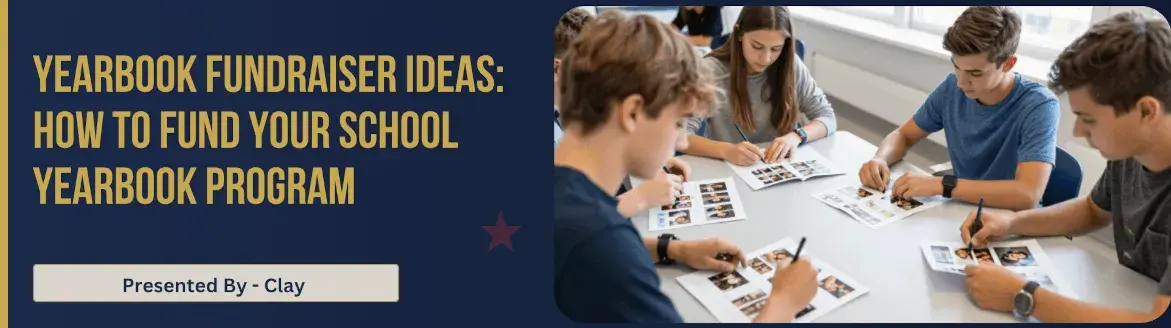
Yearbook programs have significant production costs that yearbook sales alone rarely fully cover. A full-color professionally printed yearbook for a school of 500 students can cost $10,000 to $25,000 or more depending on page count, printing quality, and specialty features. Ad sales help, but ad revenue varies year to year. The gap between production costs and combined yearbook and ad revenue is the target that fundraising campaigns must close.
Big Fundraising Ideas has supported school club and program fundraising since 1999. This guide covers what yearbook programs need to fund, which product programs work best for this school publication audience, and how to time the campaign to the production calendar.
What Yearbook Programs Fundraise For
- Printing and Binding: The largest yearbook expense, as full-color professional printing for a typical school yearbook represents the majority of the total production budget.
- Photography Equipment: Camera bodies, lenses, memory cards, and editing equipment that yearbook staff uses throughout the year for coverage of school events.
- Design Software Subscriptions: Professional yearbook design platforms charge annual subscription fees that yearbook budgets must cover every year.
- Cover Design and Specialty Features: Embossed covers, spot UV coating, custom endpapers, and other specialty printing upgrades that elevate the book's quality and memorability.
- Distribution Costs: Shipping, handling, and the logistics of distributing books to students at the end of the year.
- Staff Recognition: Awards, recognition events, and end-of-year celebration for staff who produce the book throughout the academic year.
Scratch Card Fundraiser
The scratch card fundraiser from Big Fundraising Ideas is personalized with the school name and photo. The donation-based format works naturally for yearbook programs because the book itself is the reason every family in the school cares about the program (the pitch writes itself). A staff member who says, 'I am raising money for the school yearbook, the book that documents this entire year for every student in the school' has an immediately relatable, personally resonant reason for the ask that few other school clubs can match.
Candy Bars and Smencils
Candy bars and Smencils work particularly well for yearbook staff because staff members attend every major school event (sports games, performances, dances, club fairs) as the school's official photographers and journalists. Each event is a natural selling opportunity because the yearbook staff has a visible, official presence that other student sellers lack. Peanut-free and kosher candy bar options available.
All products available through bigfundraisingideas.com. No upfront cost. Free shipping.
Timing the Yearbook Fundraiser
- Fall Campaign (September-October): Position as supporting the current year's book before production decisions are made. Donors feel like early contributors to a project with a clear purpose.
- Spring Campaign (January-February): Position as closing the final gap before the book goes to print. Urgency is built into the timeline, which motivates donors who respond to specific deadlines.
- Run Alongside Ad Sales: Product fundraising and ad sales reach different community audiences with no overlap. Running both simultaneously from the same general window maximizes total revenue.
Frequently Asked Questions About Yearbook Fundraising
What are the best fundraiser ideas for a school yearbook program?
Scratch cards (donation-based, $100 per completed card; every school family is a natural supporter), candy bars (fast at school events), Smencils (non-food, school-hour compliant). Explore all through bigfundraisingideas.com.
What do yearbook programs use fundraising money for?
Printing and binding (largest expense), photography equipment, design software subscriptions, cover design upgrades, distribution costs, and staff recognition. The gap between production costs and yearbook/ad sales is the fundraising target.
How do yearbook programs raise money beyond book sales?
Scratch card campaigns, candy bar and Smencils direct-sale programs, and yearbook ad sales to local businesses. Product fundraising and ad sales reach different buyers, so run both simultaneously for maximum total revenue.
When should a yearbook program run its fundraiser?
September-October (before the production budget is committed) or January-February (before the spring printing deadline). Both have built-in urgency that motivates donors when the campaign clearly communicates the specific production timeline.
Can yearbook staff sell products during school hours?
Smencils (non-food) can be sold during school hours. Candy bars must be sold before/after school or at events outside instructional time.
How does a scratch card fundraiser work for yearbook?
Scratch cards from Big Fundraising Ideas: personalized with the school name and photo; 50 dots per card; supporters scratch to reveal and donate their amount; $100 gross per completed card. Run as a one-week campaign with a minimum of 10 cards—no upfront cost. Every school family is a natural community supporter.
How do yearbook programs sell ads alongside a product fundraiser?
Ad sales reach businesses and families wanting visibility in the publication. Product fundraising reaches community members supporting the program without an ad purchase. Different buyers, no overlap. Run both simultaneously for maximum total revenue.
What makes yearbook fundraising unique?
Every student's family is a potential supporter because the yearbook documents every student's year. Yearbook staff attends every major school event with a built-in high-traffic selling presence. Universal school-community relevance that specialized clubs cannot match.
How many students are on a yearbook staff?
Most high school staff have 15-40 students; middle school staff have 8-20. Scratch cards scale to any staff size (min 10 cards). 20 staff members x 1 card = $2,000 gross in one week.
Should a yearbook run a fundraiser if it already sells ads?
Yes. Ad sales and product fundraising reach different buyers: businesses/families wanting publication visibility vs community members supporting the program. Both together generate more total revenue than either channel alone.
Author Bio
Clay Boggess has been designing fundraising programs for schools and various nonprofit organizations throughout the US since 1999. He’s helped administrators, teachers, and outside support entities such as PTAs and PTOs raise millions of dollars. Clay is an owner and partner at Big Fundraising Ideas.

Related Articles
Mother's Day and Father…
Mother's Day and Father's Day fundraiser ideas for schools: what to sell, how to price gifts kids can afford, and when to start.
Hot Chocolate Bar Fundraiser…
How to run a hot chocolate bar fundraiser: what to buy, how to price cups, how to keep kids safe around hot drinks, and where it works best.

Donuts with Dad and Muffins…
How to plan a Donuts with Dad or Muffins with Mom event: ticket pricing, donut math, activities, and how to include every child.